Automobile
EV vs Hybrid vs Hydrogen: Choosing the Best Eco-Friendly Vehicle for Your Needs
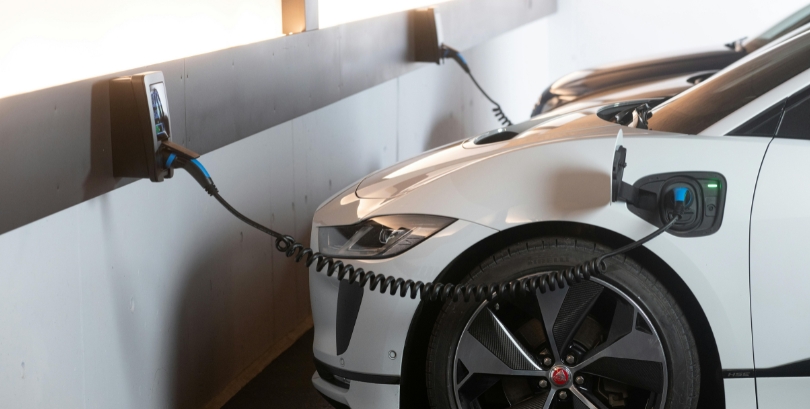
Image Courtesy: Pexels


Selecting between battery electric vehicles, hybrids, and hydrogen fuel cell vehicles requires a systems level view of powertrain efficiency, infrastructure readiness, lifecycle emissions, and total cost of ownership. This technical guide compares the three architectures using engineering and operational criteria rather than marketing claims, helping buyers and fleet planners align vehicle choice with real world driving demands.
EV vs Hybrid vs Hydrogen Comparison: Physics and Energy Efficiency
Battery electric vehicles convert stored electrical energy to motion with the highest well to wheel efficiency of any road vehicle currently in mass production. Modern BEV drivetrains routinely exceed 80 percent conversion efficiency under controlled conditions. Hybrids improve efficiency by supplementing internal combustion engines with electric propulsion, but they remain constrained by thermal losses inherent to combustion. Hydrogen fuel cell vehicles produce electricity onboard with zero tailpipe emissions, yet energy losses during hydrogen production, compression, and transport reduce overall system efficiency compared to BEVs.
Battery Electric Vehicles: Range, Charging Architecture, and Battery Innovation
BEV capability in 2026 is shaped by battery chemistry, electrical architecture, and charging strategy. Advances in silicon enhanced anodes and optimized cathode formulations are improving energy density without proportional increases in battery mass. This enables longer real world range and better packaging efficiency.
Voltage architecture is equally critical. The shift toward 800 volt systems reduces electrical losses, supports higher charging power, and improves thermal control during fast charging. Vehicles built on native high voltage platforms sustain rapid charging more consistently, making them better suited for frequent long distance use.
Plug In Hybrids: Where They Deliver the Most Value
Plug in hybrid electric vehicles perform best in mixed duty cycles where daily driving can be handled electrically while long range trips remain common. The most advanced PHEVs use predictive energy management systems that integrate navigation data, elevation changes, and traffic patterns. This allows the vehicle to reserve electric energy for high efficiency zones and deploy combustion power when it is least inefficient.
When charged regularly, these systems significantly reduce fuel consumption and emissions compared to traditional hybrids, especially in suburban and regional driving scenarios.
Hydrogen Fuel Cell Vehicles: Operational Strengths and Infrastructure Limits
Hydrogen fuel cell vehicles excel in applications where fast refueling and long continuous range are operational priorities. This makes them well suited for heavy duty transport, fixed route fleets, and logistics corridors with centralized refueling.
Technical improvements in fuel cell stack durability and onboard storage have lowered operating costs, but infrastructure remains the limiting factor. Green hydrogen production and distribution are still geographically concentrated, which restricts broader consumer adoption. As a result, hydrogen vehicles are best evaluated as purpose built solutions rather than universal alternatives.
Also read: How Self-Driving Car Technology Accelerates Sustainability Goals for Modern Enterprises
Total Cost of Ownership Considerations for US Buyers
Total cost of ownership varies widely by powertrain and usage profile. BEVs typically offer the lowest energy and maintenance cost per mile in urban and suburban use, particularly when home or workplace charging is available. Purchase price remains higher in some segments, but incentives and lower operating costs can offset this over time.
Hybrids provide more predictable cost structures in regions with limited charging infrastructure. Hydrogen vehicles may approach cost parity in high utilization fleet scenarios, but only where fuel supply and refueling access are stable and predictable.
How To Choose the Right Eco-Friendly Vehicle for Your Driving Profile
Choosing the most suitable eco-friendly vehicle starts with aligning powertrain capability to how the vehicle will actually be used. The following framework provides a practical way to evaluate fit based on mission profile rather than technology preference:
- If most driving is urban or regional with reliable access to charging, battery electric vehicles deliver the highest efficiency and lowest operating emissions
- If driving patterns include frequent long trips or limited charging access, plug in hybrids offer flexibility without abandoning electric driving for daily use
- If the use case involves heavy loads, high daily mileage, or time critical refueling, hydrogen fuel cell vehicles may offer operational advantages in supported corridors
Engineering Checklist Before Final Selection
Before finalizing a powertrain choice, it is important to validate assumptions using practical engineering and cost inputs rather than headline specifications alone:
- For fleet deployments, simulate charging or refueling schedules against utilization targets and downtime constraints
- Quantify average and peak daily mileage under real operating conditions rather than ideal test cycles
- Map charging or hydrogen refueling availability along regular routes, including fallback options
- Model five to seven year total cost of ownership covering energy costs, maintenance, incentives, and expected resale value
- Review battery chemistry, warranty coverage, and degradation assumptions under typical usage patterns
Choosing between EVs, hybrids, and hydrogen vehicles in 2026 is no longer about ideology or early adoption. It is a technical decision rooted in efficiency, infrastructure, and lifecycle economics. When powertrain selection is aligned with real world usage, eco-friendly vehicles deliver measurable environmental and operational value.