Robotics
Advanced Robotics Solutions in the Age of Machine Learning and Vision AI
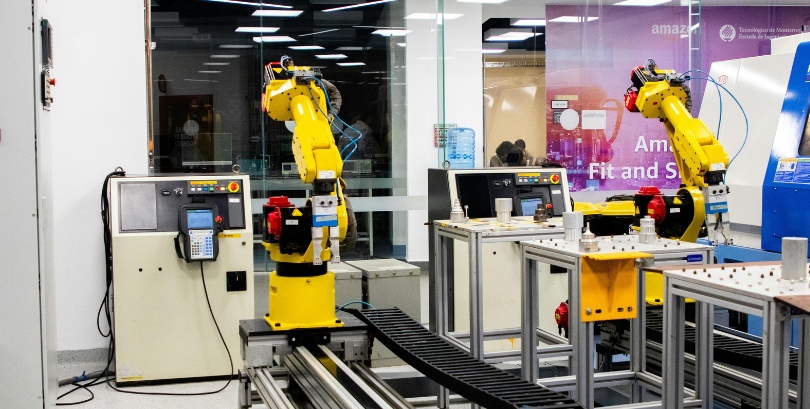
Image Courtesy: Pexels


Robots are no longer confined to repetitive, pre-programmed tasks. In today’s intelligent systems landscape, advanced robotics solutions are evolving into adaptive, perceptive, and decision-capable entities. Powered by machine learning and vision AI, robotics is entering an era where systems can see, learn, and respond in real time—reshaping how industries operate at scale.
This shift marks a fundamental transition: robotics is no longer about automation alone. It is about intelligence embedded into motion, perception, and action.
From Automation to Intelligence: The New Robotics Baseline
Before diving into technologies, it’s essential to understand what has changed.
Traditional robotics relied on fixed rules and controlled environments. In contrast, advanced robotics solutions today operate in dynamic, unpredictable settings—factories, warehouses, hospitals, and even public infrastructure.
Machine Learning as the Decision Engine
Machine learning enables robots to learn from data rather than depend solely on predefined instructions. Models improve over time, allowing robots to optimize paths, detect anomalies, and adapt to new variables without manual reprogramming.
Vision AI: Teaching Robots to See and Understand
Vision AI acts as the sensory foundation of modern robotics.
With advanced computer vision, advanced robotics solutions can identify objects, interpret spatial depth, recognize patterns, and make split-second decisions. Cameras combined with neural networks allow robots to distinguish between defects, materials, and even subtle environmental changes.
Beyond Image Recognition
Vision AI now supports contextual understanding—robots don’t just see objects; they understand scenarios. This capability dramatically improves accuracy, safety, and operational reliability.
Real-Time Learning in Real-World Environments
The true power of machine learning emerges when robots operate in live environments.
Modern advanced robotics solutions continuously analyze sensor data, adjust actions, and refine outcomes. This real-time learning loop enables systems to handle variability—uneven surfaces, changing inventory, human interaction—without compromising performance.
This adaptability reduces downtime and increases resilience across operations.
Human–Robot Collaboration Gets Smarter
One of the most impactful changes is how robots interact with humans.
Rather than replacing human workers, advanced robotics solutions increasingly augment them. Vision AI helps robots detect human presence, predict movement, and respond safely. Machine learning refines collaboration patterns, making shared workspaces more efficient and secure.
This shift is redefining productivity—not by eliminating human input, but by enhancing it.
Industry Impact: Where Intelligence Meets Execution
The convergence of robotics, machine learning, and vision AI is driving tangible value across sectors.
Manufacturing benefits from defect detection and precision assembly. Logistics gains from intelligent picking and autonomous navigation. Healthcare sees improvements in surgical assistance and diagnostics. Across industries, advanced robotics solutions deliver consistency, speed, and accuracy at scale.
Data, Ethics, and System Accountability
As robotics becomes more intelligent, responsibility increases.
Advanced systems depend on data quality, model transparency, and ethical design. Organizations deploying advanced robotics solutions must ensure explainability, bias mitigation, and secure data pipelines.
Trust is now as critical as performance.
ALSO READ: How Robotic Automation Companies Are Integrating AI Agents Into Enterprise Workflows
The Road Ahead for Intelligent Robotics
The future of robotics lies in convergence.
Machine learning will continue refining decision-making. Vision AI will deepen contextual awareness. Together, they will push advanced robotics solutions toward autonomy that is not just powerful—but responsible, scalable, and human-aware.