Gaming Technology
Orbital Vacation Trips vs. Traditional Space Tourism: What’s the Difference?
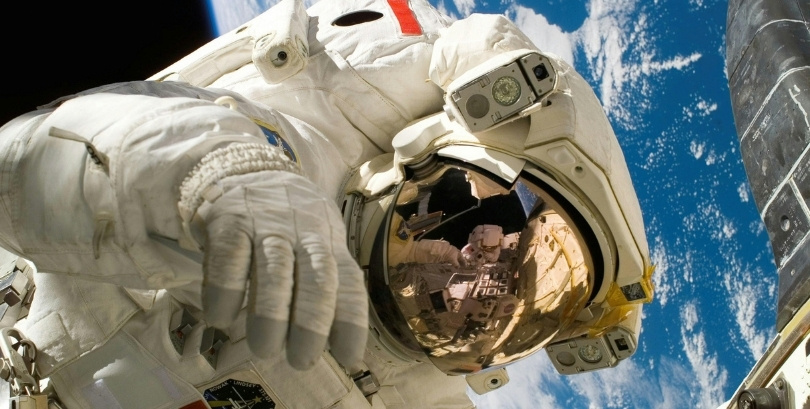
Image Courtesy: Pexels


Space travel is no longer science fiction. Private companies like SpaceX, Blue Origin, and Virgin Galactic have transformed commercial spaceflight into a real opportunity for civilians. But as interest grows, many people are confused about one important distinction: orbital vacation trips vs. traditional space tourism.
While both offer unforgettable journeys beyond Earth, the experience, altitude, duration, and cost differ dramatically. Let’s break it down.
What Are Traditional Space Tourism Flights?
Traditional space tourism typically refers to suborbital flights. These missions take passengers just beyond the Kármán line (about 100 km above Earth), allowing them to experience a few minutes of weightlessness and see the curvature of the planet.
For example, Blue Origin’s New Shepard and Virgin Galactic’s SpaceShipTwo provide brief spaceflights that last around 10–15 minutes. Passengers enjoy several minutes of microgravity before descending back to Earth.
Key Features of Traditional Space Tourism:
Short flight duration (under 2 hours total)
A few minutes of weightlessness
No full orbit around Earth
Lower cost compared to orbital missions
This option is ideal for thrill-seekers who want a taste of space without committing to a longer mission.
What Are Orbital Vacation Trips?
Orbital vacation trips go much further—literally. Instead of briefly crossing into space, these missions place travelers into Low Earth Orbit (LEO), where they circle the planet at high speed for several days.
Companies like SpaceX have already launched private citizens into orbit, including missions that traveled higher than the International Space Station. During orbital vacation trips, passengers experience continuous weightlessness, witness multiple sunrises and sunsets daily, and live aboard a spacecraft or space station module.
Key Features of Orbital Vacation Trips:
Multi-day missions (3–10 days or longer)
Continuous microgravity experience
Full orbit around Earth
Significantly higher cost
Extensive astronaut-style training required
In short, orbital vacation trips offer a deeper, more immersive space experience compared to suborbital flights.
Major Differences at a Glance
Duration
Traditional space tourism lasts minutes in space. Orbital vacation trips last days.
Altitude and Experience
Suborbital flights briefly cross the edge of space. Orbital vacation trips circle Earth at approximately 17,500 mph, offering a true astronaut-like experience.
Cost
Traditional space tourism tickets generally range in the hundreds of thousands of dollars. Orbital vacation trips can cost tens of millions due to mission complexity and extended duration.
Training Requirements
Suborbital passengers undergo minimal preparation. Orbital vacation trips require extensive physical training, safety drills, and simulations.
Which One Is Right for You?
Choosing between orbital vacation trips and traditional space tourism depends on your goals, budget, and appetite for adventure.
If you want a brief but exhilarating space experience, suborbital travel may be perfect. However, if you dream of living in space, watching Earth from orbit, and experiencing life like a professional astronaut, orbital vacation trips are unmatched.
As commercial spaceflight evolves, the line between adventure tourism and true space exploration continues to blur. One thing is certain: the future of travel is looking up.
Also read: Advanced Robotics Solutions in the Age of Machine Learning and Vision AI