Personal Finance
Gaming Technology Trends Shaping AI-powered Neighborhood Esports Lounges in the US
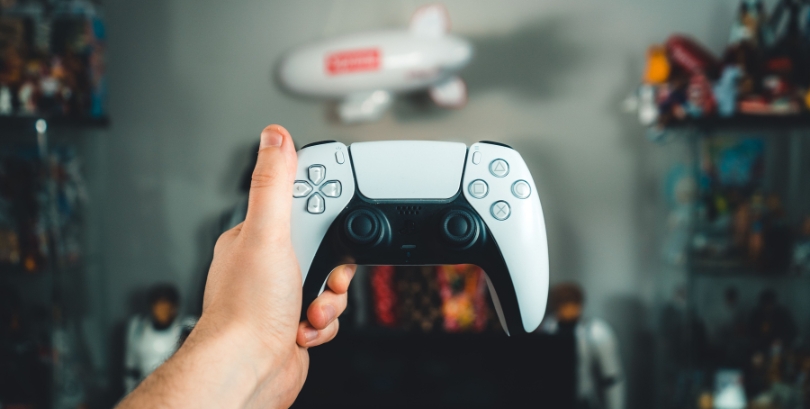
Image Courtesy: Pexels


Gaming is moving beyond living rooms, consoles, and online lobbies. Across the US, a new kind of local entertainment space is emerging: the neighborhood esports lounge. These venues combine high-performance gaming setups, watch-party energy, casual tournaments, streaming-ready rooms, and community-driven events. As player expectations rise, operators need more than powerful PCs and fast internet. They need technology that makes every visit feel personalized, social, competitive, and easy to access.
This is where gaming technology trends become especially valuable. Instead of focusing only on graphics or hardware upgrades, the next wave of innovation is helping esports lounges build smarter player experiences, reduce operating friction, and create stronger local gaming communities.
Why neighborhood esports lounges are becoming tech-first venues
Modern gamers expect seamless access across devices, personalized settings, low-latency gameplay, and social features that carry from home to venue. For esports lounges, that means the business model is shifting from hourly screen rentals to full-service gaming experiences. Venues that invest in smart booking, player profiles, tournament tools, creator-friendly spaces, and cloud-enabled game libraries can stand out in competitive local markets.
AI coaching and adaptive play are changing the guest experience
AI-powered coaching tools can help casual players improve faster and competitive players sharpen specific skills. In a lounge setting, this could include match review dashboards, aim training recommendations, strategy prompts, team performance summaries, and personalized learning paths. The value is practical: players get a reason to return because each session helps them see measurable progress.
For operators, AI can also support staffing and scheduling. By analyzing peak hours, game popularity, tournament sign-ups, and equipment usage, venues can plan events, manage capacity, and promote the right offers to the right player segments.
Cloud gaming makes premium access more flexible
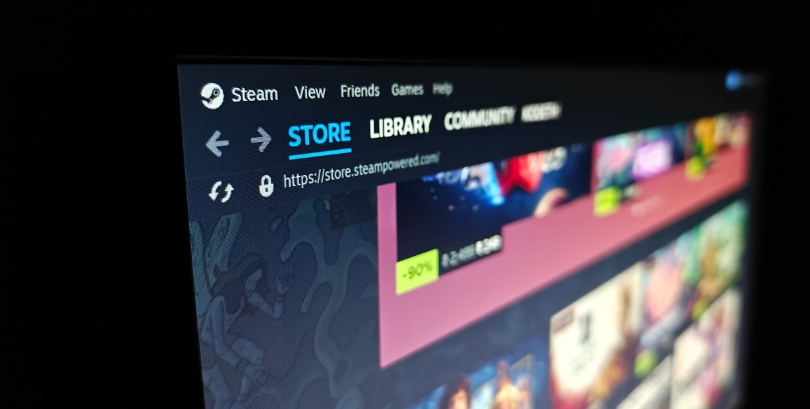
Cloud gaming is one of the most important gaming technology trends for venues that want to expand access without constantly refreshing every machine. With the right network setup, lounges can offer more titles, support quick session starts, and give players options across PCs, handhelds, tablets, or dedicated stations. This flexibility is especially useful for events where players want to jump between casual play, competitive matches, and shared viewing experiences.
Cross-platform profiles are becoming the new loyalty layer
For players, progress matters. Achievements, skins, rankings, saved settings, and friend networks are part of gaming identity. Esports lounges that support cross-platform access and account-based personalization can make visits feel frictionless. A player should be able to walk in, sign in, load preferences, join friends, and continue where they left off with minimal setup.
This shift also creates opportunities for loyalty programs. Venues can reward repeat visits, tournament participation, coaching sessions, creator bookings, and community referrals in ways that feel native to gaming culture.
Immersive hardware turns local venues into experience hubs
High-refresh monitors, haptic accessories, spatial audio, motion-ready spaces, and mixed reality demos can make esports lounges feel different from home setups. The key is not to chase every device trend. Instead, venues should choose hardware that supports repeatable experiences: team nights, racing leagues, VR showcases, creator content, and premium weekend events.
Final thoughts
The next generation of esports lounges will not be defined by hardware alone. They will be shaped by smarter systems, connected player identities, AI-supported improvement, flexible access, and community-first programming. For venue owners, creators, and gaming brands, gaming technology trends offer a roadmap for building spaces that feel both local and future-ready.