Gaming Technology
Cloud Gaming for Apartment Dwellers: The Console-Free Setup Gaining Ground in US Cities
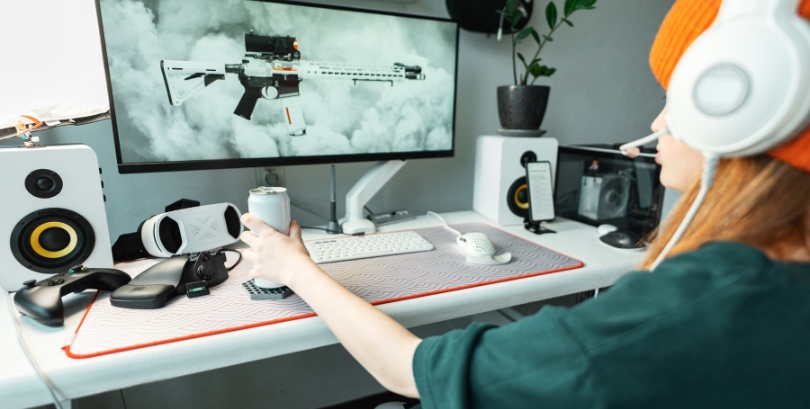
Image Courtesy: Shutterstock


For many gamers in US cities, the biggest barrier to playing the latest titles is not interest—it is space, cost, and convenience. A dedicated console or gaming PC can be expensive, loud, and hard to justify in a small apartment where every outlet, shelf, and square foot already has a job.
That is why cloud gaming is starting to feel less like a futuristic experiment and more like a practical entertainment setup for renters, students, hybrid workers, and anyone who wants high-quality play without turning their living room into a hardware zone.
Why the Apartment Gamer Is a Different Kind of Player
Apartment gamers often make purchase decisions differently from suburban console households. They may move more often, share Wi-Fi with roommates, rely on compact TVs or laptops, and avoid adding bulky devices that require extra storage, cables, controllers, cooling, and maintenance.
In dense US metros, the appeal is clear: if a game can run on a smart TV, phone, tablet, browser, or lightweight laptop, players can enjoy a more flexible setup without committing to expensive local hardware.
The Real Advantage: Less Hardware, Faster Access
Traditional gaming still has strengths, especially for competitive players who demand the lowest possible latency. But for single-player adventures, co-op games, sports titles, RPGs, strategy games, and casual play, the cloud model can remove several everyday friction points.
- No large hardware investment: Players can avoid buying a high-end console or gaming PC upfront.
- No massive downloads: Games can be accessed faster without filling local storage.
- Multi-device flexibility: A player can start on a TV, continue on a laptop, and check in from a mobile device.
- Cleaner living spaces: Fewer devices and cables make the setup easier for small apartments.
- Lower upgrade pressure: Performance improvements happen in the provider’s data center instead of the player’s home.
Choosing the Right Service for the Way You Play
Not every platform is built for the same type of gamer. Some services focus on playing games you already own through PC storefronts. Others bundle streaming into a subscription library. Some prioritize family-friendly access, while others compete on high-end visual quality and low-latency performance.
For apartment dwellers, the best choice often comes down to three questions: Do you already own a large game library? Do you mostly play casually or competitively? Will you use the service on a TV, laptop, phone, or all three?
Why Cloud Gaming Fits the New Entertainment Stack
US households are already comfortable streaming movies, shows, music, workouts, live sports, and creator content. Games are now moving into that same expectation pattern: instant access, flexible devices, monthly pricing, and less dependence on physical ownership.
Cloud gaming fits especially well for players who want gaming to be part of a broader entertainment routine instead of a dedicated hardware hobby. It allows quick sessions after work, multiplayer nights without a full setup, and easier access for households that do not want multiple gaming machines.
The Trade-Offs Gamers Should Not Ignore
Streaming games is convenient, but it is not perfect. Competitive esports players may still prefer local hardware for maximum responsiveness. Households with strict internet data caps may need to monitor usage. Players who value permanent ownership may dislike subscription catalog changes. And if a home network is unstable, even a powerful cloud platform can feel inconsistent.
The smartest approach is not to treat streaming as an all-or-nothing replacement. For many US gamers, it works best as a flexible layer: a way to play more often, try more titles, and reduce hardware dependence without giving up local gaming where it still matters.
Final Takeaway
For apartment dwellers and space-conscious players, cloud gaming offers a compelling middle ground between casual mobile play and expensive dedicated hardware. It gives more people access to premium titles while keeping the setup simple, flexible, and easier to fit into modern city living.
The console-free living room is not for everyone, but it is becoming a realistic option for US gamers who want less clutter, faster access, and more freedom to play on the screens they already own.