Gaming Technology
Game Streaming Platforms for Small U.S. Esports Programs Building local fan communities
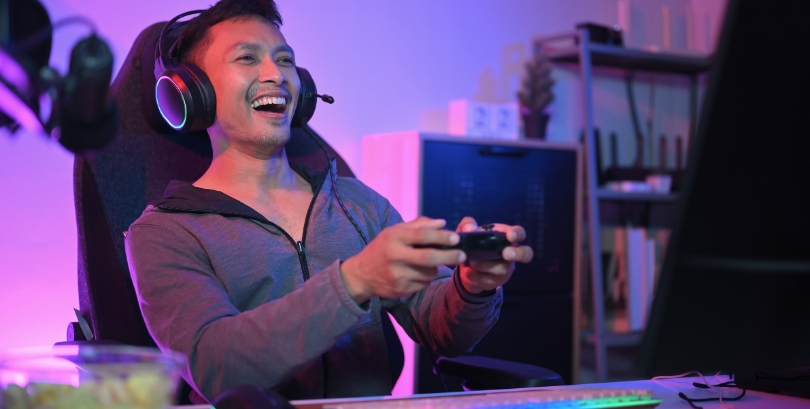
Image Courtesy: Shutterstock


Across the United States, esports is no longer limited to major leagues, national tournaments, or celebrity streamers. High schools, community colleges, local gaming lounges, amateur teams, and city-based clubs are using live content to turn casual viewers into recurring fans. For these smaller programs, the challenge is not simply going live. It is choosing the right channel mix, creating reliable programming, and giving nearby audiences a reason to keep watching.
Game streaming platforms can give local esports programs the same kind of visibility that used to require large venues, broadcast partners, or expensive production teams. With the right format, even a small campus rivalry or weekend tournament can become a community event.
Choosing platforms based on audience behavior, not hype
Twitch remains a strong destination for live chat culture and gaming-first communities, while YouTube supports discovery through search, Shorts, and long-tail replay. Kick and other emerging platforms may appeal to creators who prioritize monetization flexibility and experimentation. The best choice depends on where the program’s audience already spends time and how the content will be repurposed after the live stream ends.
For a local esports organizer, one platform may work best for real-time match viewing, while another may be better for highlights, player interviews, rankings, and sponsor clips. Successful programs often treat streaming as a content ecosystem rather than a single destination.
Turning local matches into recurring fan rituals
Game streaming platforms become more powerful when programs build consistent formats. Weekly rivalry nights, player-of-the-match segments, coach breakdowns, community polls, and post-game recaps help viewers understand when to tune in and what to expect. This consistency is especially important for U.S. schools and local clubs trying to bring parents, students, alumni, and sponsors into the same viewing experience.
A strong local stream does not need to look like a national broadcast. Clear commentary, reliable scheduling, readable overlays, and community shoutouts can make the experience feel personal and relevant. The goal is to make viewers feel connected to the players and the place, not just the game.
Monetization opportunities beyond subscriptions
For small esports programs, revenue may come from more than paid subscribers. Local sponsorships, branded overlays, campus partnerships, merchandise drops, fundraiser streams, ticketed watch parties, and short-form highlight packages can all support growth. Game streaming platforms help create measurable engagement that local businesses can understand, such as views, chat participation, clicks, and repeat attendance.
The key is to match sponsorship offers to the audience. A hometown pizza shop, college bookstore, local internet provider, or gaming hardware retailer may value direct community attention more than broad national reach.
Questions for esports organizers
- What are game streaming platforms? They are online services that let creators, teams, and organizations broadcast gameplay, tournaments, commentary, and community events to live or on-demand audiences.
- Which platform is best for a small esports program? The best option depends on audience behavior, discovery needs, monetization goals, and whether the program wants live chat engagement, searchable video content, or both.
- How can local esports teams grow viewers? They can use consistent schedules, local rivalries, short highlight clips, player storytelling, sponsor shoutouts, and community participation to encourage repeat viewing.
- Can game streaming help high school or college esports programs? Yes. It can showcase student talent, build school spirit, attract sponsors, support recruitment, and create an archive of matches and highlights.
Building a content system around every live stream
A live match should be the start of a content cycle, not the end. Programs can turn one stream into match highlights, player profiles, coaching clips, social posts, newsletter updates, and sponsor recap graphics. This helps reach people who missed the live event while giving the program more assets to promote the next one.