Gaming Technology
How Game Streaming Platforms Are Creating Micro-Communities for Indie Game Discovery
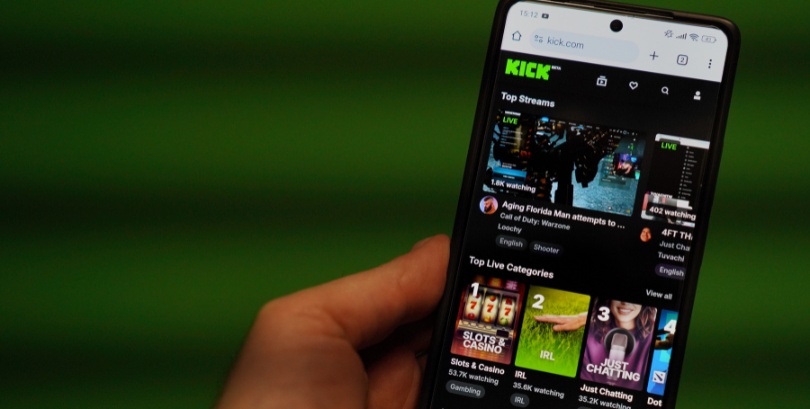
Image Courtesy: Shutterstock


For years, game streaming was treated mainly as a stage for big creators, esports tournaments, and blockbuster titles. But the next meaningful shift is happening in a quieter space: micro-communities built around specific genres, indie releases, modded gameplay, cozy games, speedruns, retro titles, accessibility-focused playthroughs, and creator-led discovery.
This is where game streaming platforms are becoming more than broadcast channels. They are turning into discovery engines where smaller creators can shape what players notice, what developers learn, and how niche gaming audiences form lasting communities.
Why Indie Discovery Needs More Than Storefront Visibility
Digital storefronts are crowded. A strong trailer or store page can help, but many players still want to see how a game feels in real time before they commit. Live streams offer that context. Viewers can watch unedited gameplay, ask questions, observe difficulty, understand mechanics, and see whether a title fits their preferred play style.
For indie developers, this changes the path to awareness. Instead of depending only on paid ads or algorithmic store placement, they can work with creators whose audiences already trust their recommendations. A smaller streamer with a highly engaged community may drive more relevant interest than a large generalist channel with passive viewers.
The Rise of Micro-Communities Around Specific Play Styles
Large audiences are not always the most useful audiences. In gaming, intent matters. A viewer who regularly watches farming sims, roguelikes, tactical RPGs, survival crafting, horror demos, or accessibility reviews is often closer to purchase consideration than a casual viewer browsing a trending category.
Micro-communities give games room to be understood in context. They create shared language, inside jokes, feedback loops, and recurring conversations that can keep a title visible long after launch week. This is especially valuable for games that need explanation, patience, or repeated exposure before they gain traction.
How Live Interaction Builds Trust Faster Than Static Reviews
Reviews, trailers, and screenshots still matter, but live interaction offers something different: transparency. Viewers can see performance, pacing, bugs, difficulty spikes, controller support, multiplayer stability, and replay value as they unfold. They can ask the creator whether the game feels polished, whether the price is fair, or whether it works well for a specific type of player.
That real-time trust layer is one reason game streaming platforms are becoming important for smaller studios. The creator acts as both player and interpreter, helping audiences understand not only what the game is, but who it is for.
Latency, Chat, and Co-Play Are Redefining Viewer Participation
Low-latency streaming matters because gaming audiences do not just watch; they react, guide, challenge, and sometimes influence the session. When chat delay is shorter, the stream feels less like a broadcast and more like a shared room.
As interactivity improves, creators can run community challenges, viewer polls, co-op sessions, demo feedback streams, and launch events that make audiences feel involved. For developers, these interactions can surface usability insights, onboarding issues, and feature requests faster than traditional feedback forms.
Monetization Is Moving Beyond Subscriptions and Ads
Creator monetization now includes memberships, tips, sponsorships, affiliate links, merch, paid community access, brand collaborations, and launch partnerships. For niche gaming creators, the strongest income may come from audience alignment rather than audience size.
Game studios can also benefit from this shift. Instead of one-time sponsored streams, they can build longer creator partnerships around demo drops, patch updates, early access milestones, tournament formats, or seasonal content. These campaigns feel more natural when the creator’s community already cares about the genre.
What Indie Developers Should Look for in a Streaming Strategy
A successful streaming strategy should not begin with the biggest channel. It should begin with fit. Developers need to understand which creators, communities, and formats can explain the game clearly and authentically.
- Prioritize genre alignment: Choose creators whose audiences already enjoy similar games.
- Support live-ready moments: Provide demos, challenge modes, dev notes, or exclusive preview builds.
- Encourage community feedback: Use live chat questions to identify confusion, excitement, and feature demand.
- Track quality of attention: Measure wishlists, Discord joins, demo downloads, and repeat mentions, not just views.
- Build continuity: Plan multiple touchpoints before and after launch instead of relying on a single stream.
Conclusion
The future of game discovery is not only shaped by major launches and massive audiences. It is also shaped by small, loyal communities where viewers trust creators to explain what makes a game worth their time.
For indie developers and niche creators, game streaming platforms offer a practical way to make discovery more human, interactive, and community-led. The winners will be the teams that treat streaming not as a one-off promotion channel, but as an ongoing conversation between players, creators, and developers.